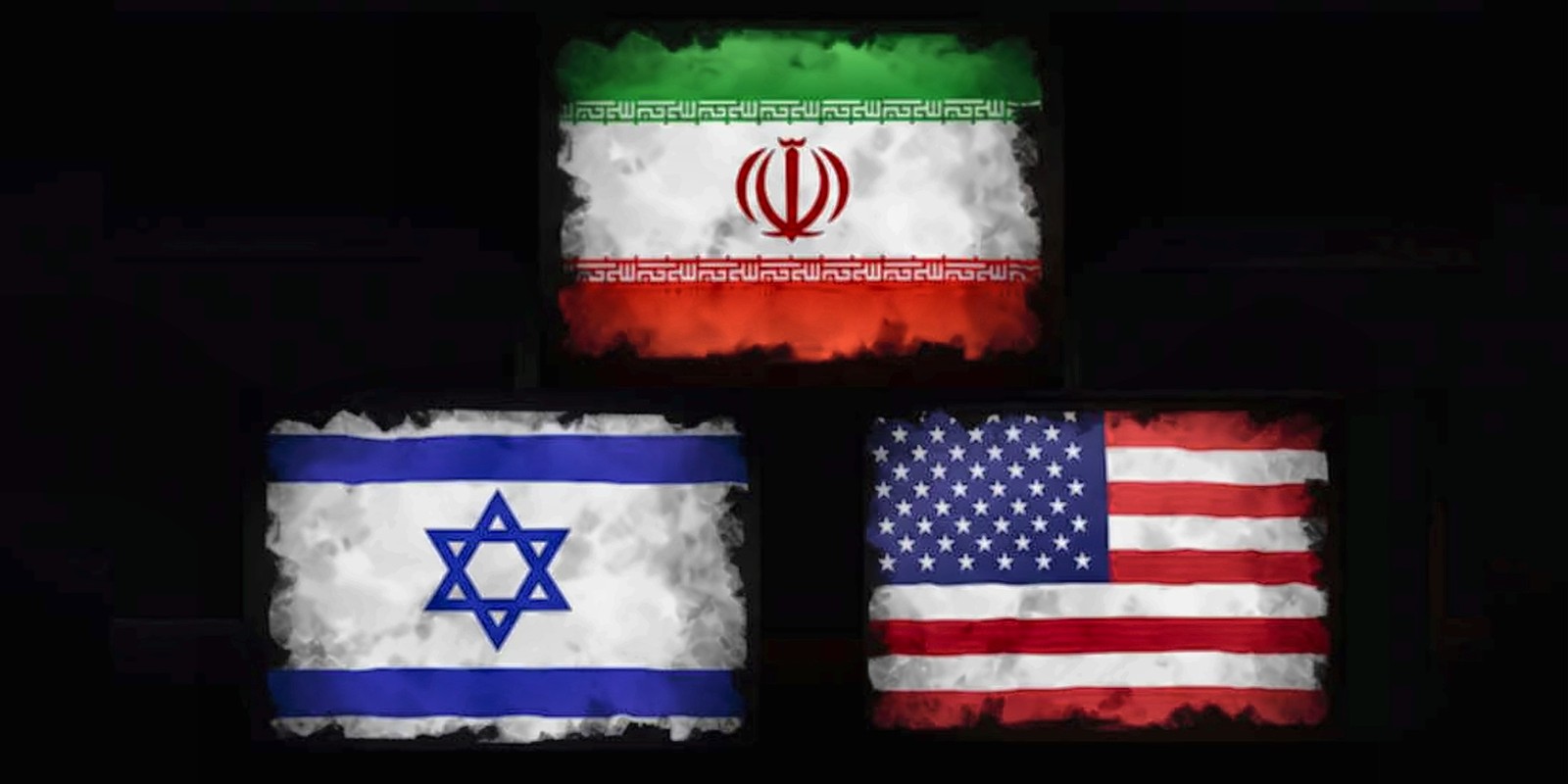
Instead, analysis needs to distinguish shared objectives from operational preferences. The two governments may agree on restricting Iran's ability to threaten them while assessing acceptable costs, the duration of pressure and potential concessions differently. Consequently, the decision is more complicated than choosing between attacks and negotiations. Four issues matter: timing, an acceptable agreement, the distribution of costs and the criteria for ending military operations.
Trump and Netanyahu: Different Timing or Different Strategies?
The first issue is timing. According to Anadolu's account of reporting based on American and Israeli sources, Netanyahu favored early action after the American midterm elections, whereas Trump preferred allowing diplomacy more time. Nevertheless, this remains a media account from informed sources, not an official agreement or operational order. It suggests a possible debate over the diplomatic window without demonstrating that either government has abandoned military cooperation.
Moreover, delay can mean different things in the calculations of Trump and Netanyahu. For Washington, additional time may allow proposals to be tested, regional partners consulted and economic consequences assessed. By contrast, Israeli decision-makers might worry that extended talks reduce pressure or allow Iranian capabilities to recover. These are possible decision-making rationales, however, rather than proven positions shared by everyone in either government.
Domestic politics also influences the calendar, but it cannot fully explain military decisions. Elections, public opinion and competition over responsibility for wartime outcomes can change the political costs of action or delay. Even so, passing an electoral deadline does not automatically authorize an attack. Operational readiness, new intelligence, Tehran's behavior and mediation efforts also matter. Therefore, analysis must distinguish an increased probability of action from a decision already taken.
This distinction matters because deadlines can themselves become instruments of pressure. A government may want an adversary to believe time is running out without having settled on a military course. Conversely, preparations intended to preserve options may be interpreted as evidence that diplomacy is merely a cover. Clear distinctions between capability, intention and authorization are therefore essential to understanding developments.
Trump and Netanyahu: Would the Same Agreement Satisfy Both?
The second issue concerns an acceptable agreement. Washington might consider a phased arrangement useful for reducing immediate danger before addressing remaining disputes. Israel, meanwhile, could remain more concerned about Iranian capabilities surviving that arrangement. However, this possibility does not establish that a final proposal exists or that Israel rejects every diplomatic outcome. The relevant questions concern the commitments, verification procedures and enforcement provisions capable of addressing each government's concerns.
Within the relationship between Trump and Netanyahu, containing a threat and removing the capacity to generate it may represent different thresholds of success. An agreement reducing immediate risk would not necessarily settle every long-term dispute. Conversely, demanding simultaneous resolution of every issue could make an initial deal harder to achieve. Accordingly, possible differences concern sequencing and responses to noncompliance, as well as the overall degree of pressure.
The third issue is cost distribution. The United States must weigh force protection, maritime security, Arab partnerships and economic consequences alongside operational objectives. Israel, in turn, faces potential direct retaliation and pressure on its population and infrastructure. Because those burdens differ and cannot simply be transferred between partners, close military cooperation does not guarantee identical assessments of benefit and risk at every stage.
Furthermore, regional governments are not spectators. The UAE's recent warning that military solutions could complicate the crisis highlights the exposure of Iran's neighbors to operations they did not choose to initiate. Washington must therefore consider partners seeking protection from threats while also opposing another war. Such pressure does not necessarily weaken the American-Israeli alliance, but it can influence the timing and scope of action.
Regional concerns may also affect the credibility of diplomatic arrangements. If neighboring governments expect their security interests to be ignored, they may hesitate to support implementation. By contrast, commitments that address their exposure could strengthen a settlement. Thus, managing the partnership involves more than reconciling two leaders' preferences; it also requires assessing the wider environment in which their decisions would operate.
Ending Operations and Interpreting the Signals
The fourth issue is the endpoint. For Trump and Netanyahu, achieving a military objective might not produce the same answer about what comes next. If Iran retaliates, would another strike be considered necessary? When would continuing operations become more costly than stopping? Without clear answers, even an operation described as limited could develop into repeated attacks and responses that exceed its original boundaries.
For Tehran, prematurely interpreting differences between the allies carries risks. Disagreement over timing does not remove the military option, just as visible coordination does not prove an attack is inevitable. Instead, Iran would need to assess observable conduct, official statements and mediation together. Assuming a deep rupture could encourage miscalculation, while treating war as unavoidable could narrow diplomatic opportunities.
Ultimately, cooperation between Trump and Netanyahu depends more on these four issues than on descriptions of a telephone call's atmosphere. They may retain shared objectives while negotiating over instruments; alternatively, talks or Iranian behavior may change their assessments. Accordingly, the most useful practical indicators are concrete subsequent decisions: meaningful time for diplomacy, operational boundaries and explicit conditions for ending the crisis. Until then, neither complete unity nor a definitive separation provides an adequate explanation.