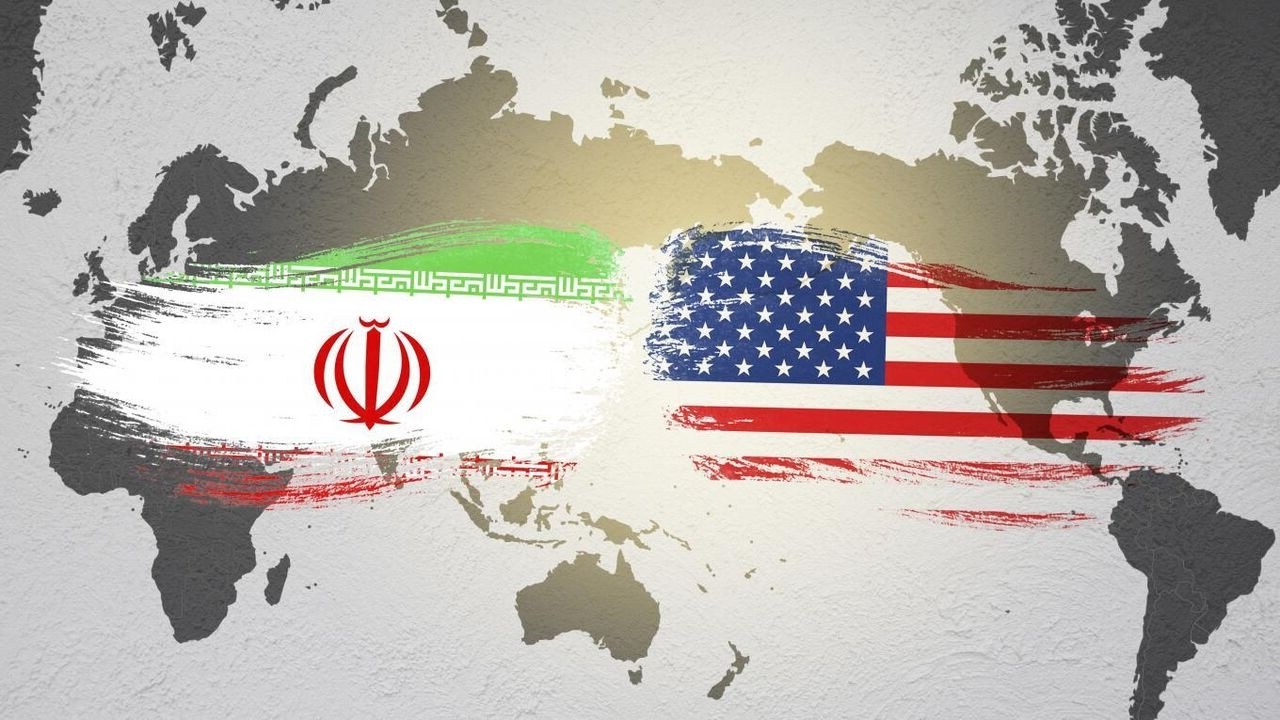
The concern is the overlap between military pressure and diplomatic efforts. A tactical action intended to protect one side's forces may appear to the other as preparation for a larger offensive. Therefore, restraint must be assessed through subsequent behavior rather than operational labels. Four tests matter: a shared understanding of signals, the response, the survival of negotiations and the ability to stop further escalation. Moreover, November 4 represents a post-election reference point, not a confirmed date for another attack.
US Attack on Iran: Do Both Sides Understand the Same Signal?
The first test concerns the gap between declared intention and perceived meaning. Washington might describe its objective as removing a threat; Tehran, however, could interpret the action as an assault on its defenses or preparation for another operation. Even accurate information does not necessarily produce a common conclusion. Consequently, the location, damage, possible casualties and political context all influence what each government believes an incident means.
In assessing a US attack on Iran, an American official's account must be distinguished from independently verified information. Until details are available, conclusions about damage, the complete target set and military results remain provisional. Likewise, calling an action defensive does not itself establish an independent assessment of its legitimacy. Iranian claims also require scrutiny. Images, forceful statements and initial accounts cannot substitute for evidence sufficient to support particular conclusions.
Another difficulty is that red lines may differ. One government might expect striking a piece of equipment to convey a limited warning, while the other views it as changing the rules of engagement. As a result, unclear thresholds increase the risk of misunderstanding. Direct communication or reliable messages through intermediaries could reduce uncertainty. However, those messages become less useful if practical behavior contradicts the limits being communicated.
US Attack on Iran and the Problem of Deterrent Retaliation
The second test concerns the response. A targeted government may consider retaliation necessary to prevent repetition. By contrast, the government launching the original operation may regard that retaliation as a new threat requiring another response. Thus, both can describe their own actions as deterrent and the other's as escalatory. The greatest danger arises when neither accepts the final unanswered strike and the perceived political cost of stopping exceeds the anticipated cost of continuing.
If a US attack on Iran escalates, geographic boundaries may also shift. A response directed at forces or interests elsewhere could expose additional countries to consequences. Nevertheless, warnings about wider retaliation should not be treated as proof that every possible scenario has been authorized. Declaring an option, preparing a capability and ordering its use are different steps. Accordingly, analysis should preserve these distinctions when examining both governments rather than apply them selectively.
Furthermore, casualties or damage to civilian infrastructure can alter calculations. An incident initially considered limited may generate pressure for stronger retaliation and narrow the political space for restraint. Civilian protection, however, is more than a tool for managing escalation: it is an independent standard for evaluating conduct. Therefore, deterrence arguments should not reduce human losses to a secondary consideration in competition over political credibility or military resolve.
Regional governments also influence the process. Possible disruption around Hormuz, concerns about bases and commercial costs may encourage mediation or stronger defenses. Yet those approaches do not always communicate the same message. Protective measures can be interpreted by an adversary as deeper participation. Consequently, preventing spillover requires clarity about commitments and avoiding assumptions that every government hosting foreign forces has the same role.
There is also a difference between having options and controlling consequences. A government can select its initial target but cannot dictate every subsequent interpretation, response or accident. Accordingly, planning based solely on intended effects may underestimate how rapidly the political context could change. Crisis management needs room for that uncertainty.
Negotiations Under Pressure and the Test of Stopping
The third test is diplomatic endurance. Alongside reports of a US attack on Iran, mediation continued. On November 3, Reuters quoted a senior Iranian official as saying that agreement remained distant. This was that official's assessment, not proof that talks had definitively ended. Nevertheless, continued contact alone cannot demonstrate that a settlement is close. Disputes over conditions and the sequencing of steps remain relevant to whether diplomatic activity produces an implementable agreement.
Military pressure is sometimes intended to improve bargaining leverage, but its outcome is not guaranteed. It may encourage flexibility or, conversely, increase the domestic political cost of compromise. If negotiations are interpreted as surrender, decision-makers may reject even proposals worth examining. Therefore, diplomacy needs a route through which governments can present restraint as protecting their interests rather than admitting defeat. Otherwise, pressure may weaken the very negotiating space it is supposed to create.
The fourth test is a stopping point. The future of a US attack on Iran depends not only on the ability to deliver another strike, but also on identifying which behavior makes further action unnecessary and how the other side can recognize that condition. Clear limits, sustained contact and verifiable steps could reduce danger. Ultimately, a limited conflict is not a guaranteed property of an operation; it is an outcome of reciprocal decisions. Without an ending mechanism, even a small attack can create commitments harder to escape than the operation was to begin.